

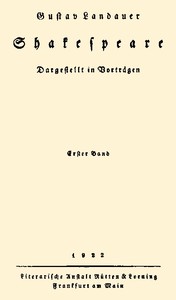
Handbuch der Kunstgeschichte by A. Springer
Forget dry textbooks and dusty museum labels. Anton Springer's Handbuch der Kunstgeschichte is the story of one man's ambitious attempt to make sense of it all. Picture this: it's the 1800s, and art history as a formal field of study is still pretty new. People are fascinated by ancient ruins and Renaissance masters, but there's no single guide that puts everything in order. Springer, a professor in Bonn and later Leipzig, decided to write that guide.
The Story
This isn't a book with characters and a plot in the usual sense. The 'story' is Springer's grand project itself. He set out to write a comprehensive handbook that walked readers through the entire development of Western art, from its earliest beginnings in Egypt and the Near East, right up through the medieval period, the Renaissance, and into the modern era of his own time. He organized everything into a clear, chronological sequence, trying to show how styles evolved and influenced each other. Think of it as creating the very first detailed roadmap for a journey through human artistic achievement.
Why You Should Read It
Reading Springer today is a fascinating look into how our understanding of art was built. You get to see the foundations. His book shows us what a smart, educated person in the 19th century thought was important. Which artists did he highlight? How did he explain the shift from Gothic cathedrals to Baroque palaces? It's like getting a time capsule of art criticism. You also feel the weight of his task—trying to be complete and authoritative in a world where new discoveries were constantly being made. It’s humbling and impressive.
Final Verdict
This is a classic for a specific reader. It's perfect for history buffs, art students, or anyone curious about how the 'story' of art history was first written down. It's not a light, breezy read for a casual beach day. But if you love the idea of exploring the original source material that helped shape museums and art classes as we know them, this is a rewarding deep dive. You're not just reading about art; you're reading the book that taught people how to read about art.
This work has been identified as being free of known copyright restrictions. Feel free to use it for personal or commercial purposes.







Ethan Davis
3 months agoComprehensive and well-researched.