About 39 minutes
Minnie Brown; or, The Gentle Girl — Themes and Context
Childrens Adventures
8,905 recorded words. Selected by the catalog's stored reading-time estimate.
View Gutenberg source #44081
Explore this collection
Three of the shortest recorded reading commitments in this catalog. Times are estimates, not quality ratings.
About 39 minutes
Childrens Adventures
8,905 recorded words. Selected by the catalog's stored reading-time estimate.
View Gutenberg source #44081About 75 minutes
Fairy Moral Tales
17,163 recorded words. Selected by the catalog's stored reading-time estimate.
View Gutenberg source #43136About 100 minutes
Childrens Adventures
22,815 recorded words. Selected by the catalog's stored reading-time estimate.
View Gutenberg source #46484Search stored excerpts and compare books → Choose by your preferences →
Choices use stored catalog measurements. Estimates vary with reading speed. A shared category is a catalog label, not a claim that two books have the same argument or literary quality.
Search reads excerpt text stored with this catalog and links to its associated Gutenberg record. The connection is stored in the site database; this tool does not recheck that every excerpt is word-for-word identical to that external record. Excerpt search does not cover every chapter and does not verify historical publication dates.
Catalog snapshot checked: 2026-09-26. Coverage: 90 public books, 90 available source excerpts.
Independent digital catalogue
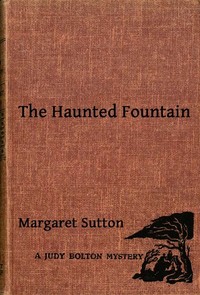
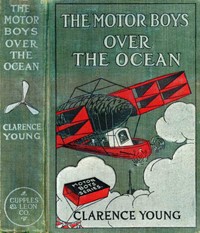
This catalogue maps the territory of early 20th-century juvenile fiction through four overlapping categories: Young Readers, School Stories, Children’s Adventures, and Fairy Moral Tales. Rather than treating these as fixed shelves, the arrangement helps you see how a single work can belong to more than one tradition—a school story may double as an adventure, a fairy tale may carry a moral lesson. The 90 titles here draw heavily from series fiction, with recurring characters like Judy Bolton and the Brownie Scouts, alongside standalone tales of orphans, airships, and motorboats. Records link each book to its Project Gutenberg source, list authors and keywords, and often note word count and reading time, so you can gauge what you’re picking up.
Subject gateways
Browse the catalogue by subject, historical period, or the type of original source.
Stories of childhood, exploration, resilience and imaginative adventure represented across the current public-domain collection.
A focused group of public-domain works connected by subject, literary setting and recurring questions.
Stories of childhood, exploration, resilience and imaginative adventure represented across the current public-domain collection.
Fairy tales, legends, myths and traditional narratives drawn from different literary and cultural settings.
About these records
How the collection is organized, presented and corrected.
It generally means that the represented source text is no longer protected by copyright in the applicable jurisdiction or has been released for public use. Status may vary by country and edition.
A record may include the title, author, category, cover, description, edition information, source references and available reading or download options.
A category reflects a work’s principal subjects, literary setting, source type and relationship to nearby records in the collection.
The catalogue adds navigation, metadata and editorial context. The represented source text retains its wording, edition information and rights status.
Use the contact page and include the work title, page address and the exact attribution, category, metadata or source detail requiring attention.
Catalogue stewardship
Catalogue information
ESUJU Catalogue coordinates the overall structure of the ESUJU digital library, which includes 90 books and 80 authors across 4 categories, ensuring the reliability of the catalog.
Catalogue explorer
Browse existing collections, books and author records through several catalogue routes.