
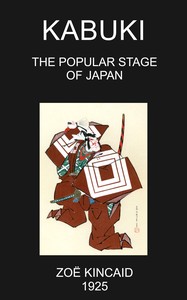
Kabuki : The popular stage of Japan by Zoë Kincaid
Zoë Kincaid’s book isn't a dry history lesson. It reads like a backstage pass to the most exciting show in 17th to 19th century Japan. She takes us to the bustling theater districts, where the air was thick with anticipation, food vendors shouted, and fans waited for a glimpse of their favorite actors.
The Story
The book follows the incredible life of Kabuki itself. It starts with its surprising origin: a bold dance performed by a woman named Izumo no Okuni, which was so popular and seen as so disruptive that women were eventually banned from the stage. From there, Kincaid charts its growth. We see how all-male troupes took over, creating a unique art where male actors specialized in playing female roles. We follow the art form through periods of strict government censorship, where playwrights and actors used clever symbolism to sneak social commentary past the authorities. It's a story of constant adaptation, where breathtaking stagecraft, dramatic makeup, and unforgettable stories helped Kabuki survive and thrive.
Why You Should Read It
What makes this book special is how it humanizes history. Kincaid doesn't just list dates and plays. She introduces us to the charismatic actors who were treated like rock stars, the clever playwrights who worked under pressure, and the devoted audiences who made it all possible. You get a real sense of the energy, the danger, and the passion. It reframes Kabuki not as a museum piece, but as a living, breathing, and sometimes messy performance art that reflected the joys and struggles of everyday people. It made me appreciate that the classics we see today were once groundbreaking, even controversial, entertainment.
Final Verdict
Perfect for anyone curious about theater, Japanese history, or just great stories about cultural icons. You don't need any prior knowledge—Kincaid is a fantastic guide. If you’ve ever enjoyed a play, a movie, or a concert and wondered about the people and the history behind that kind of magic, this book is for you. It’s a vibrant reminder that great art often has rebellious roots.
There are no legal restrictions on this material. You do not need permission to reproduce this work.
Matthew Brown
1 year agoI was skeptical at first, but the narrative structure is incredibly compelling. Definitely a 5-star read.




Matthew Lopez
1 year agoTo be perfectly clear, the pacing is just right, keeping you engaged. A true masterpiece.