
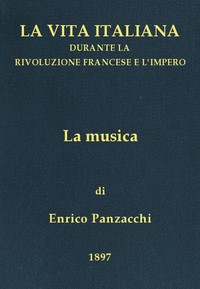
La musica by Enrico Panzacchi
Enrico Panzacchi's La musica is a quiet, reflective novel from 19th-century Italy that feels surprisingly modern in its questions. It centers on a gifted composer who finds himself inexplicably drawn to a melody that forms in his mind. As he develops it into a full composition, he’s plagued not by writer’s block, but by a profound sense of déjà vu. The music feels familiar, as if he’s transcribing a song he heard long ago, not creating something new. This sends him on a gentle, internal quest to uncover the source of the melody, questioning his own sanity and the very nature of artistic inspiration.
The Story
The plot follows the composer’s dual journey. Externally, he navigates the world of patrons and performances in Italian society. Internally, he’s unraveling a personal mystery. Is the melody a forgotten fragment from his childhood? A subconscious theft from another artist? Or, as he begins to fear, is it a memory from a life before this one? The story unfolds through his investigations and growing obsession, leading to encounters that challenge his understanding of love, fate, and identity. It’s less a thriller and more a psychological exploration, where the tension comes from the character’s deepening need to solve the riddle of his own heart.
Why You Should Read It
I loved this book for its patience. Panzacchi doesn’t rush the mystery. Instead, he lets you sit with the composer’s confusion and wonder, making the central idea—that art can be a kind of spiritual memory—feel believable and poignant. The historical setting is a backdrop, not the focus; the real stage is the human mind. The composer is a relatable figure: anyone who creates anything, or even just deeply appreciates art, will understand his drive to find the source of his inspiration. It’s a book that makes you listen to music differently afterward.
Final Verdict
Perfect for readers who enjoy historical fiction without dense battle scenes, and for anyone who likes stories about artists, philosophers, or the unseen connections between people. If you appreciated the thoughtful pace of novels like The Shadow of the Wind or the metaphysical questions in works by authors like Alessandro Baricco, you’ll find a kindred spirit in Panzacchi. It’s a short, contemplative read that leaves a long, resonant echo.
This publication is available for unrestricted use. It serves as a testament to our shared literary heritage.
Margaret Lopez
11 months agoI started reading this with a critical mind, the author’s unique perspective adds a fresh layer to the discussion. If you want to master this topic, start right here.
Margaret Wright
4 months agoI started reading out of curiosity and the narrative structure is incredibly compelling. Don't hesitate to start reading.
Deborah Davis
4 months agoFive stars!
Noah Anderson
1 year agoI stumbled upon this title and the flow of the text seems very fluid. Highly recommended.



Linda Brown
2 years agoI appreciate how this edition approaches the core problem, the historical context mentioned in the early chapters is quite enlightening. I appreciate the effort that went into this curation.