
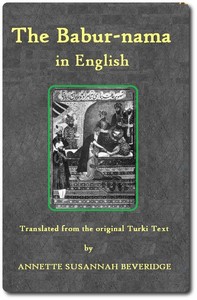
The Bābur-nāma in English (Memoirs of Bābur) by Emperor of Hindustan Babur
Have you ever kept a diary? Imagine if yours detailed losing and reclaiming kingdoms, founding one of history's greatest empires, and describing exotic fruits in the same breath. That's 'The Baburnama.' It's the first autobiography in Islamic literature, written by Zahir-ud-din Muhammad Babur, who went from a prince in exile to the first Mughal Emperor of India.
The Story
The book follows Babur's life from age 12 onward. It starts with chaos. After inheriting the small kingdom of Fergana (in modern Uzbekistan), he is quickly ousted by rivals. What follows is years of struggle. He captures the legendary city of Samarkand, only to lose it again. He survives winters in the mountains with a handful of loyal followers. The narrative is a relentless cycle of campaigning, retreat, and perseverance. Just when his fortunes in Central Asia seem hopeless, he turns his gaze south to the riches of India. The book culminates in his decisive victories there, laying the foundation for the Mughal Empire that would last for centuries. But the heart of the story isn't the final victory; it's the gritty, uncertain, and often painful journey to get there.
Why You Should Read It
You read this for the voice. Babur is shockingly honest. He admits to fear, loneliness, and crushing disappointment. He writes vividly about the taste of melons in Afghanistan and the beauty of a garden he built. He details military tactics with the same care he uses to describe a good party. This contrast is everything. It shatters the image of a distant, stone-faced conqueror and reveals a full human being—ambitious, cultured, reflective, and tough as nails. You're not getting a polished, official history. You're getting a direct line to the thoughts of a king while he's living them. It makes the monumental achievements feel personal and earned.
Final Verdict
This book is a must for anyone who loves real-life adventures, strong character studies, or origins stories. It's perfect for readers of historical biography who want to escape dry textbooks and hear history from a participant. If you enjoyed the personal scope of 'Meditations' by Marcus Aurelius or the adventurous spirit of travelogues from the Age of Exploration, you'll find a kindred spirit in Babur. Fair warning: the many Central Asian names and places can be a lot to track, but push through. The reward is an unforgettable journey alongside one of history's most resilient and fascinating figures.
No rights are reserved for this publication. Feel free to use it for personal or commercial purposes.
Patricia Jackson
5 months agoThis was exactly the kind of deep dive I was searching for, the way it challenges the status quo is both daring and well-supported. A rare gem in a sea of mediocre content.
James Jones
9 months agoVery satisfied with the depth of this material.
Jennifer Taylor
2 months agoHaving explored several resources on this, I find that the wealth of information provided exceeds the average market standard. I'll be recommending this to my students and colleagues alike.
Joseph Jackson
5 months agoRight from the opening paragraph, the objective evaluation of the pros and cons is very refreshing. It definitely lives up to the reputation of the publisher.








Kimberly Thompson
2 years agoWhile browsing through various academic sources, it addresses the common misconceptions in a very professional manner. This exceeded my expectations in almost every way.