
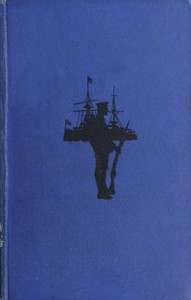
The Fleets at War by Archibald Hurd
Archibald Hurd's The Fleets at War is a first-hand chronicle of the British Royal Navy's struggle during the First World War. Written by a journalist with unique access to the Admiralty and serving officers, it reads like a series of urgent dispatches from the front line.
The Story
The book follows the naval war from its tense beginning—a global game of hunt-and-seek as the British fleet tried to bottle up the powerful German navy. Hurd walks you through the early clashes, the frustrating periods of stalemate, and the terrifying reality of minefields and submarines. The story builds toward the colossal, confused, and bloody Battle of Jutland in 1916, the largest sea battle of the war. Hurd doesn't just give you the official version; he shows the fog of war, the moments of confusion, and the staggering cost in ships and men. It’s a sweeping look at a war fought across vast, empty oceans, where a single sighting could mean glory or disaster.
Why You Should Read It
What makes this book special is its voice. Hurd isn't a distant historian writing decades later. He was in the thick of it, talking to the commanders and sailors as events unfolded. This gives his writing a nervous energy and an immediacy you don't often find. You feel the frustration of the blockade, the shock of sudden losses, and the grim determination of the fleet. He makes you understand the weight of command and the human scale of the conflict. It’s less about grand strategy and more about the experience of the war at sea—the long, cold watches, the sudden violence of battle, and the quiet aftermath.
Final Verdict
Perfect for anyone who loves real-life military history with a personal touch. If you enjoyed books like The Guns of August but want to get closer to the action, this is for you. It’s also a great pick for readers curious about the First World War beyond the trenches of the Western Front. Be warned: this isn't a simplified, modern overview. It's a product of its time, detailed and assuming some basic knowledge of the war. But if you're willing to dive in, The Fleets at War offers a compelling, authoritative, and human portrait of a defining conflict on the high seas.
This content is free to share and distribute. Share knowledge freely with the world.
Thomas Jackson
4 months agoThought-provoking and well-organized content.
Emily Martin
1 year agoFinally a version with clear text and no errors.










Patricia Martin
2 years agoUnlike many other resources I've purchased before, the argument presented in the middle section is particularly compelling. A rare gem in a sea of mediocre content.