
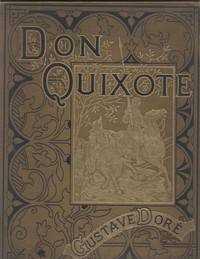
The History of Don Quixote, Volume 2, Part 19 by Miguel de Cervantes Saavedra
Welcome back to the utterly bizarre and wonderful world of the Man of La Mancha. In this part of his adventures, Don Quixote and Sancho Panza are guests at a lavish castle. But their hosts, a bored Duke and Duchess, aren't just being hospitable. They've read the first book about our hero's exploits and decide to make their own entertainment by fully indulging his fantasies.
The Story
The plot here is less about chivalric quests and more about a sustained, elaborate joke. The Duke and Duchess stage a series of events designed to humor Don Quixote and test Sancho's loyalty. They appoint Sancho as the governor of a fictional island, setting him up for a crash course in the absurdities of power and politics. Meanwhile, they orchestrate a magical, theatrical journey for Don Quixote on a wooden horse, convincing him he's flying to defeat a giant. The line between staged fantasy and cruel mockery gets blurrier with every page. It's a long con played by the rich on a man they see as a simple fool.
Why You Should Read It
This is where Cervantes gets really sharp. On the surface, it's funny—the pranks are ridiculous. But look closer, and it's deeply unsettling. The Duke and Duchess have all the power, wealth, and 'sanity,' yet they use it to psychologically torment their guest for sport. Don Quixote, for all his madness, operates with a sincere, if misguided, moral code. Sancho, though often greedy, shows a surprising and heartfelt wisdom. This section forces you to ask: who is truly noble, and who is truly mad? The satire isn't just about books of chivalry anymore; it's a direct shot at the emptiness and cruelty of the aristocracy.
Final Verdict
This isn't the place to start with Don Quixote (go back to Volume 1 for that!), but for anyone already on the journey, it's essential. It's perfect for readers who love character-driven stories where the humor has a dark, thoughtful edge. If you enjoy stories that explore the nature of reality, performance, and kindness versus cruelty, you'll find this section incredibly rewarding. It proves that a 400-year-old novel can still feel shockingly modern and relevant.
This work has been identified as being free of known copyright restrictions. Access is open to everyone around the world.
Barbara Smith
2 months agoComparing this to other titles in the same genre, the narrative arc keeps the reader engaged while delivering factual content. This adds significant depth to my understanding of the field.
Michael Brown
1 year agoThe methodology used in this work is academically sound.
Paul Jackson
1 year agoThe peer-reviewed feel of this content gives me great confidence.
Mary Garcia
2 months agoI decided to give this a try based on a colleague's recommendation, the emphasis on ethics and sustainability within the topic is commendable. A trustworthy resource that I'll keep in my digital library.





Linda Lee
11 months agoAfter a thorough walkthrough of the table of contents, the concise summaries at the end of each section are a lifesaver. I'm genuinely impressed by the quality of this digital edition.